Caring for Aging Parents
When Love, Worry & Responsibility Collide
At Jane Does Well, we support women through some of life’s most challenging transitions. Divorce may be what first brings many women to our community, but life does not stop unfolding while we navigate it.
We are raising children, rebuilding careers and financial lives, managing homes, relationships, co parenting, and changing family dynamics. And somewhere in the midst of all of that, many of us begin to notice another change. Our parents are getting older, and they may need more from us.
Sometimes it happens gradually. A few more appointments. A concern about driving. A change in memory. Other times, a fall, diagnosis, or health crisis changes everything overnight.

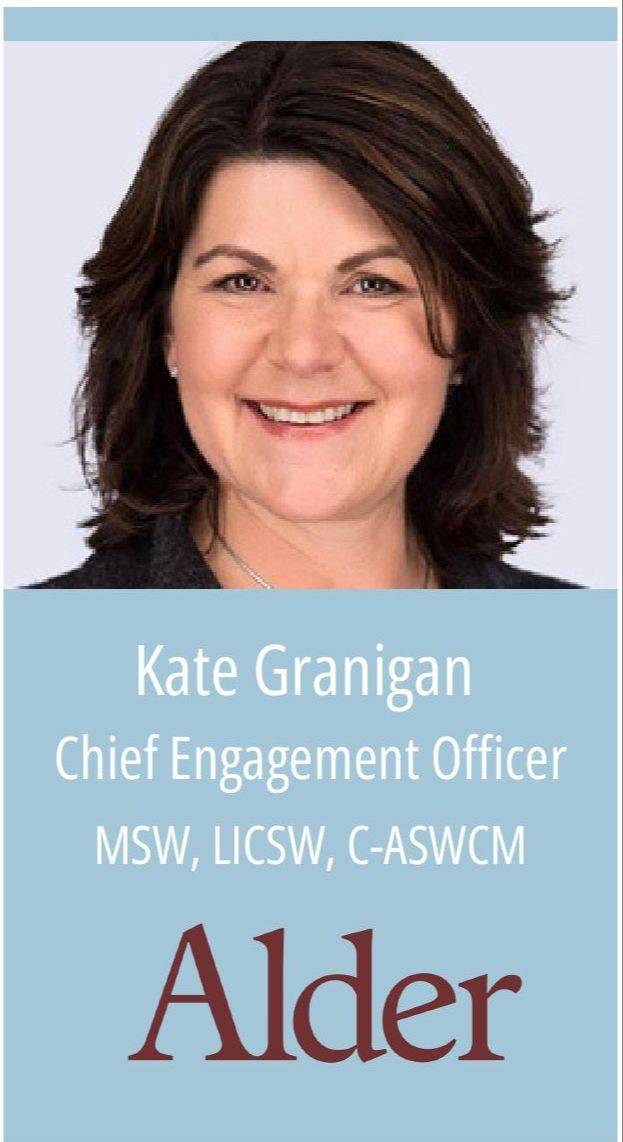
These are some of the questions and concerns at the heart of our Caring for Aging Parents online workshop tomorrow evening with guest speaker Kate Granigan, Chief Engagement Officer at Alder, an Aging Life Care practice that helps older adults and their families navigate care, changing needs and the complexities of aging.
Kate is a nationally recognized Aging Life Care professional and geriatric social worker with decades of experience guiding older adults and their families through this stage of life.
Before the workshop, we had the opportunity to ask Kate about what so many women are facing now, or know they may face soon: changing roles, difficult family dynamics, caregiver guilt, planning before a crisis, and how to support our parents while respecting their independence and choices.
Kate’s expertise is illuminating, compassionate and deeply insightful.
Whether you are already caring for a parent, beginning to notice changes, or thinking about what may lie ahead, her perspective is worth reading.
Join us online Wed, Sept 16 @ 7 - 8:30 PM. Registration is open until the event, and you’re welcome to join late. Bring your questions for Kate.
Register HereThe Gentle Unraveling
There is often a quiet, unspoken moment when we realize a parent is becoming more fragile through subtle memory lapses, physical slowing, or emotional retreat. For women standing at this delicate turning point, how can they begin to process this shift without being consumed by anticipatory grief or panic?
“Aging is unpredictable, and circumstances change. But if there is no plan, we run the risk of aging by default rather than aging by design.”
KG: This moment can happen subtly, but it can also come like a runaway train when a crisis suddenly shines a spotlight on a decline that may have been developing for some time.
In either case, the first thing I would advise is not to think of it as a role reversal. When we have children, we are completely responsible for their safety and well-being.
Without us, they could not survive. So when our parents begin to show signs of aging or decline, it is understandable that we may immediately think, I am going to have to become completely responsible for another human being again.
But that isn't actually what is happening.
Our aging parents have lived full lives. They have a wealth of experience and have lived through challenges and heartbreak, joy and triumph. Just because they are entering a stage of life when physical or cognitive changes may begin to occur does not mean they lose their right to make choices—good or bad. For as long as they are able, they are still the driver of the bus.
Our role is to become a partner and a support, not to take over.
In order to have the best outcome, it is important to become curious, ask questions rather than make definitive statements, and work together to find a path forward. When we approach aging this way, we can support our loved ones without taking on the anxiety and overwhelm of believing that everything is now our responsibility.

Honoring Dignity While Offering Support
For many parents, independence is central to their sense of self. Bringing up extra help whether it involves finances, driving, or daily tasks around the house, can feel like a betrayal of that autonomy. How can adult children open these conversations about safety and support in a way that feels collaborative rather than controlling?
KG: When approaching these often-delicate topics, it is important to ask questions and be curious rather than tell our loved ones what they "must" or "can't" do.
Ideally, we start these conversations early, before there is a crisis forcing a decision.
When we approach the discussion early, we have time to ask our parents about their vision of aging. What is important to them? What are they hoping to maintain? What might they be open to trying? What concerns do they have?
From there, we can explore the pros and cons of different choices together.
If we see ourselves as a partner on the path, rather than the ultimate decision-maker, it can decrease tension and resistance. Our job is not necessarily to convince our parents to make the choice we think is best. It is to help them understand their options and think through the consequences.
By exploring options without forcing an outcome, we help keep the center of control and autonomy where it belongs—with them.
The Unseen Sibling
& Family Dynamics
When an aging parent needs care, old family patterns can resurface quickly. Siblings may disagree about what is needed, or the emotional and practical load may fall disproportionately on one person, often a daughter, regardless of birth order or geography. You've worked extensively with families and caregivers on conflict resolution. What's one tool a family can actually use when tension starts to flare?
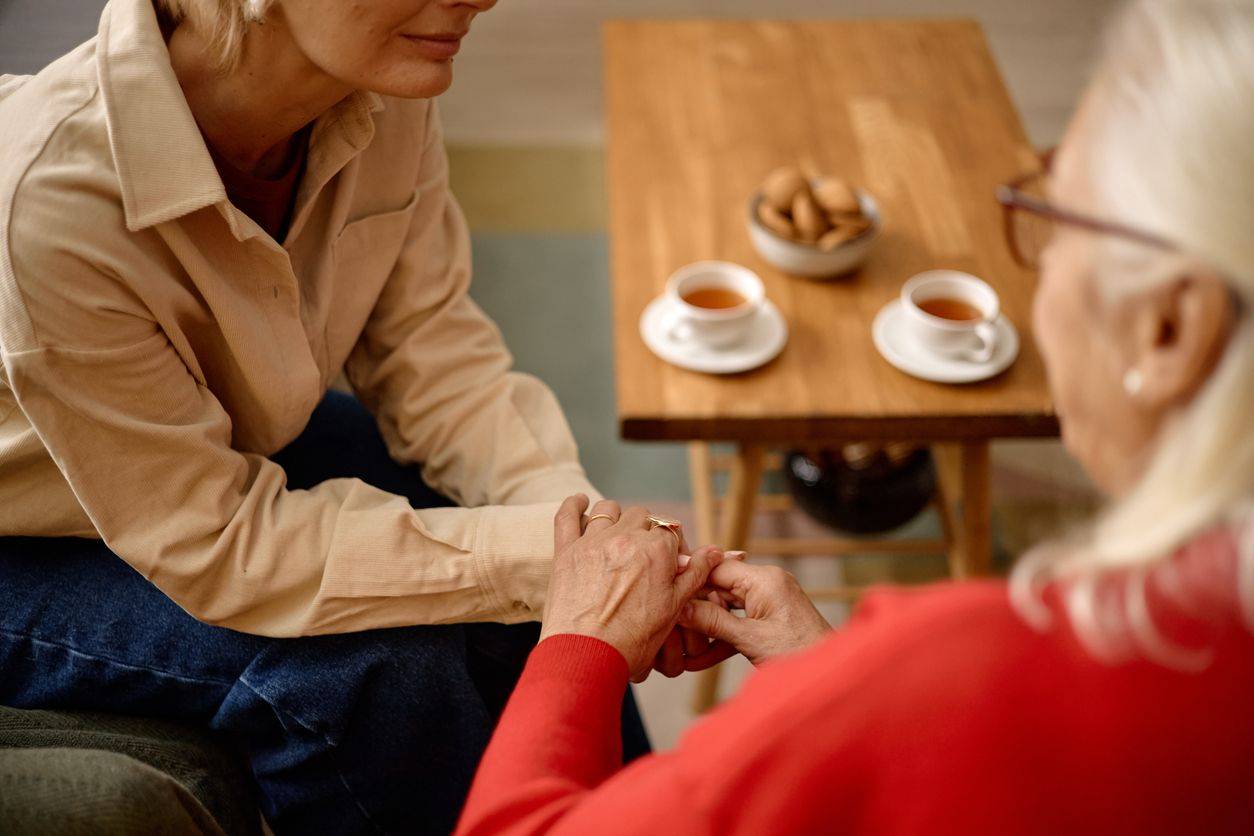
KG: Family dynamics and sibling conflict can make caregiving that much more complex.
Regardless of our experience, education, or success as adults, stepping back into our family system can bring up old patterns and feelings that make conversations about aging parents particularly difficult.
One thing that can help neutralize the situation is remembering that, in most cases, everyone is coming together because they want the same thing: for Mom or Dad to be safe and happy. What often differs is not the goal, but the way each person thinks that goal should be accomplished.
Starting there can make it easier to step away from who is right and begin talking about what might work.
I also recommend setting a family meeting and establishing a few simple ground rules: one person speaks at a time, everyone has an opportunity to be heard, and if the tension gets too high, agree to take a break and reconvene rather than allowing the conversation to deteriorate.
And if one family member—often a daughter—is carrying the majority of the burden, the family needs to look at what can be delegated. That might mean having a sibling who lives across the country manage online bill paying, make phone calls, research resources, or handle another task that takes something off the primary caregiver's plate.
Sometimes, however, the family history is just too complicated. If siblings cannot have a civil conversation because of old wounds or unresolved issues, bringing in a professional mediator or Aging Life Care Manager can be game-changing.
The Weight of "Caregiver Guilt"
So many women are navigating their own major life transitions—a divorce, a career shift, raising children of their own—while also stepping up as primary support for a parent. Drawing on your background in applied positive psychology, how can a woman set loving boundaries and protect her own emotional health without being weighed down by the constant feeling that she isn't doing "enough"?
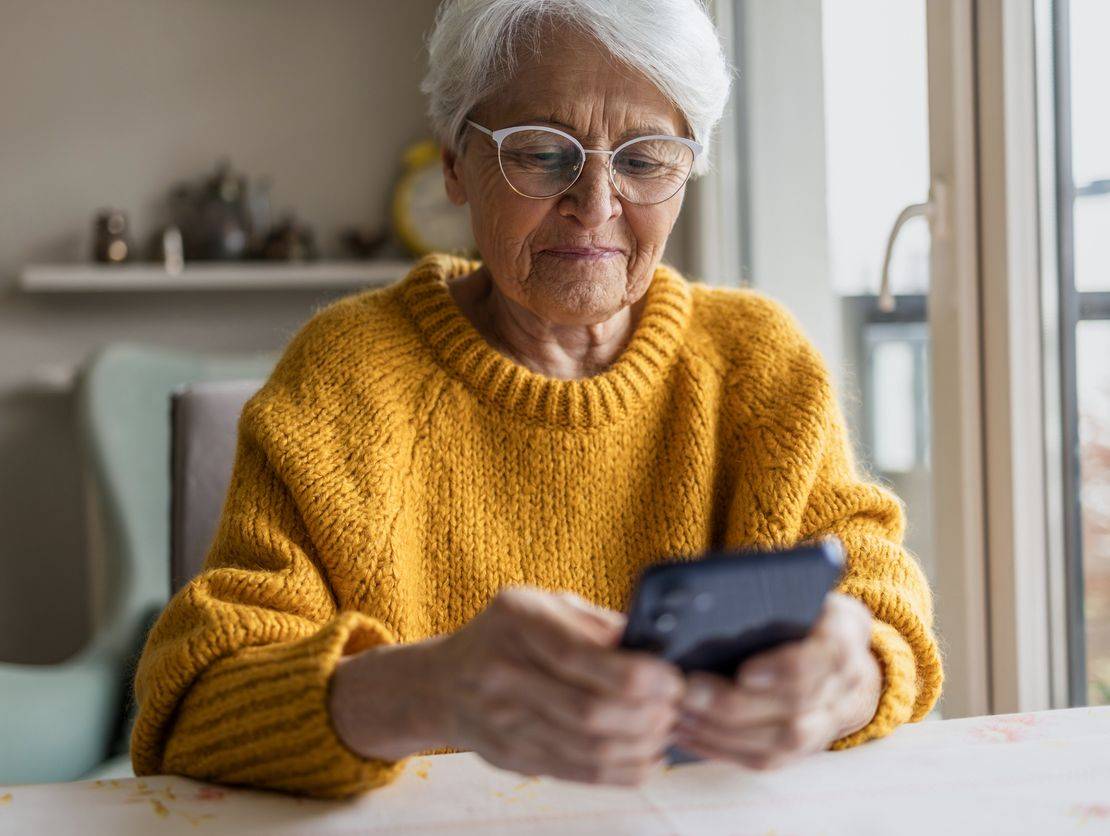
KG: The feeling of "not enough" has a way of creeping in as we juggle the many roles we hold as women.
We can begin to feel as though we aren't giving anyone our best, or that we aren't performing any of our roles well enough.
Setting boundaries as a caregiver is incredibly important. When we don't make time for our own health and well-being, we put ourselves at risk for caregiver burnout—and sometimes even our own health crisis because we have neglected our needs for too long.
Caregiving is a marathon, not a sprint. The role can last for years, and we need to pace ourselves accordingly. Taking breaks, asking for support, and setting limits—gently but firmly—doesn't make us less caring. In fact, it allows us to remain an effective caregiver over the long term.
We often hear the analogy on a flight: put on your own oxygen mask before assisting others. The same principle applies here. If we focus exclusively on everyone else's needs, we run the risk of eventually not being able to be of service at all.
And I encourage women to reframe the question. Instead of constantly asking, "What am I not doing?" ask, "What am I doing, and what am I contributing?"
There is a tremendous difference between those two questions.

The Conversation Before the Crisis
Most older adults say they want to remain in their own homes as they age, but relatively few have a plan for what that will actually require—financially, medically, and logistically. What does a woman need to know now about planning for a parent's future, even if that need feels years away?
KG: It is never too early to talk with our parents about what an optimal aging plan looks like. The earlier and more often we approach the topic—and the more we normalize it as a routine conversation—the more likely those ideas are to become reality.
Having a wish isn't the same as having a plan. If someone wants to remain at home, for example, we need to understand not only what they want, but how that will be accomplished.
Becoming an educated consumer is crucial. What will the plan cost? What is covered by insurance and what will be out of pocket? Who will provide the services? What roles can or cannot realistically be filled by family members? Are both parents on the same page?
It is also important to make sure legal, financial, and medical documents reflect our parents' wishes and that the appropriate professionals and family members know where those documents are and what those wishes are.
We can't guarantee that a plan will ultimately come to pass. Aging is unpredictable, and circumstances change. But if there is no plan, we run the risk of aging by default rather than aging by design.
Finding the Right Guide in the Storm
As Past President of the Aging Life Care Association, you've helped shape national standards for this field, yet many families still don't know that professional care management exists as an option. What's the biggest misconception about what an Aging Life Care Manager actually does, and how can having an objective advocate change the caregiving journey?

KG: The field of Aging Life Care Management has been around for decades, but it is still a relatively new concept to many families and older adults.
An Aging Life Care Manager can provide an objective professional perspective without the emotional connection to a particular outcome. We look at the older adult as a whole person, using a person-centered, holistic, and strength-based approach to understand their abilities, needs, goals, and preferences.
From there, we can help identify options and resources that are appropriate for that particular person and family.
This can be especially valuable when a family has reached an impasse about what should happen next, or when an older adult is resisting help from a concerned son or daughter. Sometimes the very people who love each other the most are the least able to have these conversations productively.
A professional can step into that space without the history and emotional dynamics of the family. We can ask the questions, assess the situation, offer perspective, and help everyone work together toward a path forward.
Ultimately, it is not about taking over. It is about helping families navigate what can otherwise feel like an overwhelming and complicated journey.

A Message of Hope
For the woman reading this who feels utterly exhausted, stretched thin, or uncertain about the path ahead—whatever her parent's diagnosis or family dynamic—what is one truth or perspective shift you wish you could offer her today?
KG: You are not alone, and you do not need to do it all.
There are so many people walking this same path, and finding connection and support can be a lifeline when things feel overwhelming.
That support might come through an online or in-person support group, a seminar about aging well in your community, trusted friends or family, or the support of an Aging Life Care Manager or another professional who can help carry some of the load.
And don't underestimate the importance of taking breaks and giving yourself time to reflect.
Caregiving is another part of life where we can learn to be there for others without losing ourselves in the process.
by Megan Bresnehan, VP Digital Strategy & Communications, Jane Does Well
With Gratitude to Altara Wealth
Jane Does Well is grateful to our Platinum Sponsor, Altara Wealth, for collaborating with us on this program, introducing Kate Granigan and her work to our community, and for their generous support of our mission. Partnerships like this help make programs and expert conversations like this possible for the women we serve.